Made in 1982 Rhinestone Templates: Your Guide to Instant Download Design Assets
Capturing a specific vibe in a design project often comes down to the details. If you are looking to channel a retro 1980s aesthetic with a touch of sparkle, the Made in 1982 Rhinestone Templates offer a distinct solution. This isn't just a font; it's a complete design asset package built for creators who need professional, versatile files. Whether you are a crafter personalizing a t-shirt, a small business owner creating branded merchandise, or a designer working on a nostalgic campaign, understanding what this asset offers is the first step to using it effectively. It provides a clear, bold statement that immediately evokes the era, making it a powerful tool for specific brand identity projects and personal creations.
Understanding the Core Asset: A Versatile Digital File Package
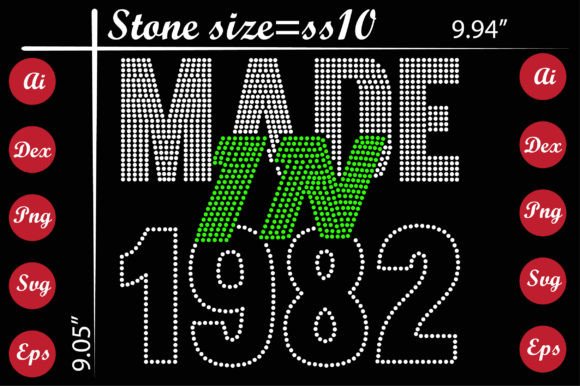
When you acquire the Made in 1982 Rhinestone Templates, you receive more than a single image. The instant download delivers a ZIP folder packed with high-resolution files engineered for flexibility. The package includes AI, EPS, SVG, DXF, and transparent PNG formats, all at 300dpi or 300ppi. This structure is critical for anyone moving between digital and print applications. The vector formats (AI, EPS, SVG, DXF) are infinitely scalable, meaning you can enlarge the design for a large banner or shrink it for a business card without losing clarity. The high-resolution PNG and JPEG files are ready for immediate use in editing software like Photoshop or Canva, preserving the sharp edges needed for clean print design.
The practical value of these file types cannot be overstated for small business owners and hobbyists. The DXF file, for example, is often essential for cutting machines like Cricut or Silhouette, allowing you to cut the design from vinyl or heat transfer material with precision. The SVG format works seamlessly in web-based design tools. Having an editable vector file means you are not locked into one color scheme; you can easily adjust the hue to match a specific brand identity palette or the color of the fabric you are working with. This level of control turns a static template into a dynamic design asset.
Visual Style and Personality: Capturing the 1980s Aesthetic
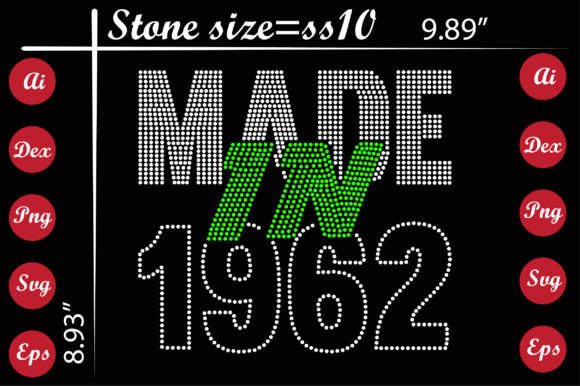
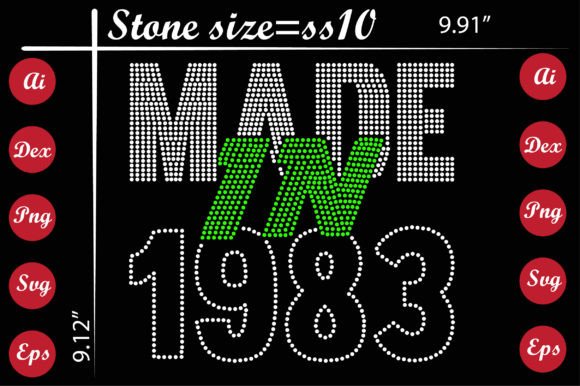
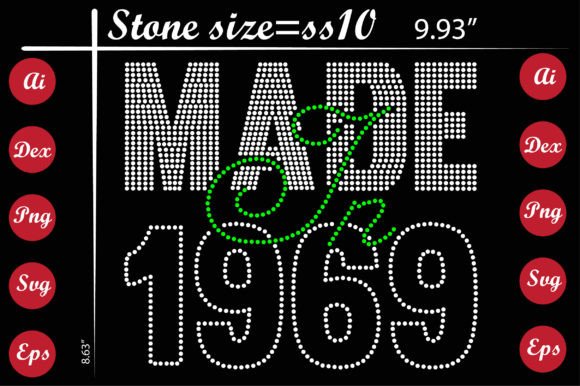
The visual character of the Made in 1982 Rhinestone Templates is defined by its display font style. It features bold, blocky letterforms characteristic of modern typography trends from the early 80s. The design mimics the look of rhinestones or studs, giving it a textured, dimensional quality even in a flat digital format. This texture adds visual interest that standard sans serif fonts or serif fonts might lack. It projects a personality that is nostalgic, celebratory, and somewhat rebellious, making it ideal for projects that need to stand out and command attention.
In terms of application, this style functions best as a headline or focal point. It is a creative font choice for logo design where the goal is to communicate a vintage or party theme. However, because of its textured, decorative nature, it falls into the category of a display font rather than a text font. Using it for long paragraphs would compromise readability. Instead, think of it as the visual anchor for your design. It pairs well with simpler sans serif fonts or clean script fonts for contrast, allowing the main message to pop while supporting text remains legible.
Practical Applications and Project Fit
Determining where the Made in 1982 Rhinestone Templates fits best depends on your project goals. For packaging design targeting a retro demographic, this asset can create an immediate emotional connection. Imagine a coffee bag or a craft beer label featuring this typography to suggest a classic, timeless recipe. In the realm of editorial design, it can be used for pull quotes or section headers in magazines or blogs focusing on 80s culture, music, or fashion. The visual hierarchy it creates is immediate; the eye is drawn to the bold, textured numbers and letters first.
For web design and social media graphics, the transparent PNG file is particularly useful. You can overlay the design onto various backgrounds, photos, or video frames without worrying about a white box surrounding the text. This is invaluable for creating engaging Instagram stories, YouTube thumbnails, or website hero images. The Made in 1982 Rhinestone Templates design also translates exceptionally well to merchandise. Crafters and entrepreneurs can use the files to produce custom t-shirts, mugs, cushions, and tote bags. The bold nature of the design ensures it remains visible and impactful even on textured surfaces like fabric or ceramic.
Integrating the Asset into Your Workflow
Using this asset effectively requires a strategic approach to font pairing and layout. Because the Made in 1982 Rhinestone Templates has a strong personality, balance is key. If you are designing a poster, for instance, you might pair the main display text with a neutral, geometric sans serif font for the date, time, and location details. This contrast ensures that the design feels professional rather than cluttered. When working on brand identity, consider using this style for specific campaigns or sub-brands rather than the primary logo, unless the brand is inherently retro.
Before finalizing your design, always test the asset in the specific medium it will be used in. A design that looks sharp on a screen might behave differently when printed on a textured t-shirt or etched onto a mug. The high resolution of the provided files mitigates many quality issues, but testing ensures the visual hierarchy holds up. Review the included styles to see if the vector paths are clean and easy to edit if you need to modify the shape or kerning. By treating the Made in 1982 Rhinestone Templates as a versatile component of your larger toolkit, you can leverage its distinct style to create memorable, professional-grade projects that resonate with your audience.